


If you were hurt in a bus accident in Houston, the short answer is this: get medical treatment first, then talk to a personal injury attorney who has actually handled bus cases before you say anything to an insurance adjuster or sign anything. Bus accident claims move differently than a typical car wreck claim. You might be dealing with a private company, a government transit agency, a school district, or all three at once, and each one plays by a different set of rules and deadlines. Waiting even a few weeks to get legal advice can cost you evidence, and in some cases it can cost you the right to file a claim at all.
That’s the part most people don’t realize until it’s too late. A regular car accident gives you two years to file suit in Texas. A bus accident involving METRO or a public school district can require formal written notice within six months, sometimes even sooner, or your claim gets thrown out before it ever reaches a courtroom. So the timeline matters just as much as the facts of the crash itself.
This guide walks through how bus accident claims actually work in Houston, who tends to be at fault, what kind of compensation is realistic, and how to pick an attorney who knows this specific area of law rather than someone who dabbles in it.
Why Bus Accidents in Houston Are Different From Regular Car Accidents
Houston has one of the busiest bus networks in the country. METRO alone carries close to 5.5 million riders a month across the city, and that number doesn’t even include school buses, charter buses, church vans, hotel shuttles, and intercity carriers like Greyhound and Megabus running through town on I-10 and I-45. With that much bus traffic, accidents are inevitable, and Texas consistently ranks near the top nationally for bus crash volume.
A few things set these cases apart from a fender-bender between two sedans:
Buses are legally “common carriers.” Texas law holds bus operators and their employers to a higher standard of care than an average driver, because passengers are trusting the company with their safety and have no control over the vehicle. That higher standard can work in your favor if you can show the driver or company fell short of it.
There’s rarely just one defendant. A bus crash might involve the driver, the bus company, the vehicle manufacturer, a maintenance contractor, or a government transit authority, sometimes more than one at the same time. Sorting out who actually pays, and how much insurance coverage applies to each party, takes real investigative work. Texas bus insurance policies can carry coverage limits up into the millions per crash, which is part of why these companies fight so hard to avoid full liability.
Passengers usually aren’t at fault, but they’re rarely the only victims. Pedestrians, cyclists, and drivers of other vehicles get hurt in bus accidents constantly, largely because of the size of the vehicle and the blind spots that come with it.
Buses often lack seat belts and airbags. That absence turns what would be a minor fender-bender in a passenger car into a rollover or ejection injury on a bus. It’s a big reason bus accident injuries tend to skew more severe even when the initial impact looks mild.
Common Causes of Bus Accidents in Houston

Most bus accidents trace back to one of a handful of recurring problems. Knowing which one applies to your case helps your attorney figure out who to pursue.
Driver-related causes
- Fatigue from long shifts or back-to-back routes
- Distraction, including phone use or conversations with passengers
- Failure to check blind spots before turning or changing lanes
- Speeding or driving too fast for weather and traffic conditions
- Inadequate training, especially with newer hires brought on during driver shortages
Company and mechanical causes
- Poor vehicle maintenance, including worn brakes or tires
- Failure to catch mechanical defects during required inspections
- Negligent hiring practices, such as skipping background checks
- Manufacturer defects in brakes, steering, or structural components
Third-party and environmental causes
- Other drivers cutting in front of a bus or failing to yield when a bus is turning
- Drivers illegally passing a stopped school bus
- Flooding or standing water, which is a recurring hazard on Houston streets during heavy rain
- Poor road design or inadequate signage at intersections with heavy bus traffic
In most cases, your attorney’s first job is proving which of these factors caused your specific accident. That usually means pulling the bus’s maintenance logs, the driver’s hours-of-service records, any onboard camera footage, and the official police report, before that evidence disappears or gets overwritten.
Who Can Be Held Liable
Liability in a Houston bus accident case can fall on more than one party, and figuring out who owes what is often the most contested part of the case.
The bus driver. If the driver was distracted, fatigued, speeding, or otherwise careless, they can be held personally liable, though in practice their employer’s insurance usually ends up covering the claim.
The bus company. Private operators, charter services, and contractors are frequently sued directly for negligent hiring, inadequate training, or failure to maintain their fleet properly.
The vehicle manufacturer. When a mechanical failure, like brake failure or a structural defect, causes or contributes to the crash, the case shifts toward a product liability claim against whoever built or supplied the part.
A government entity. METRO buses and public school buses are operated by government agencies, which changes the legal playing field significantly. Claims against these entities fall under the Texas Tort Claims Act, and government defendants can sometimes claim a form of legal protection called sovereign immunity, which limits when and how much they can be sued for.
A school district. If a school district operates its buses directly, Section 101.021 of the Texas Tort Claims Act allows injury or wrongful death claims when a district employee negligently operates a vehicle. If the district instead contracts with a private bus company, that company generally doesn’t get the same government protections and can be sued more like any other negligent business.
This is exactly why these cases benefit from an attorney who has actually litigated against METRO or a school district before. The notice requirements and deadlines are unforgiving, and a general practice attorney who mainly handles routine car wrecks may not catch them in time.
How Long Do You Have to File a Claim in Texas?
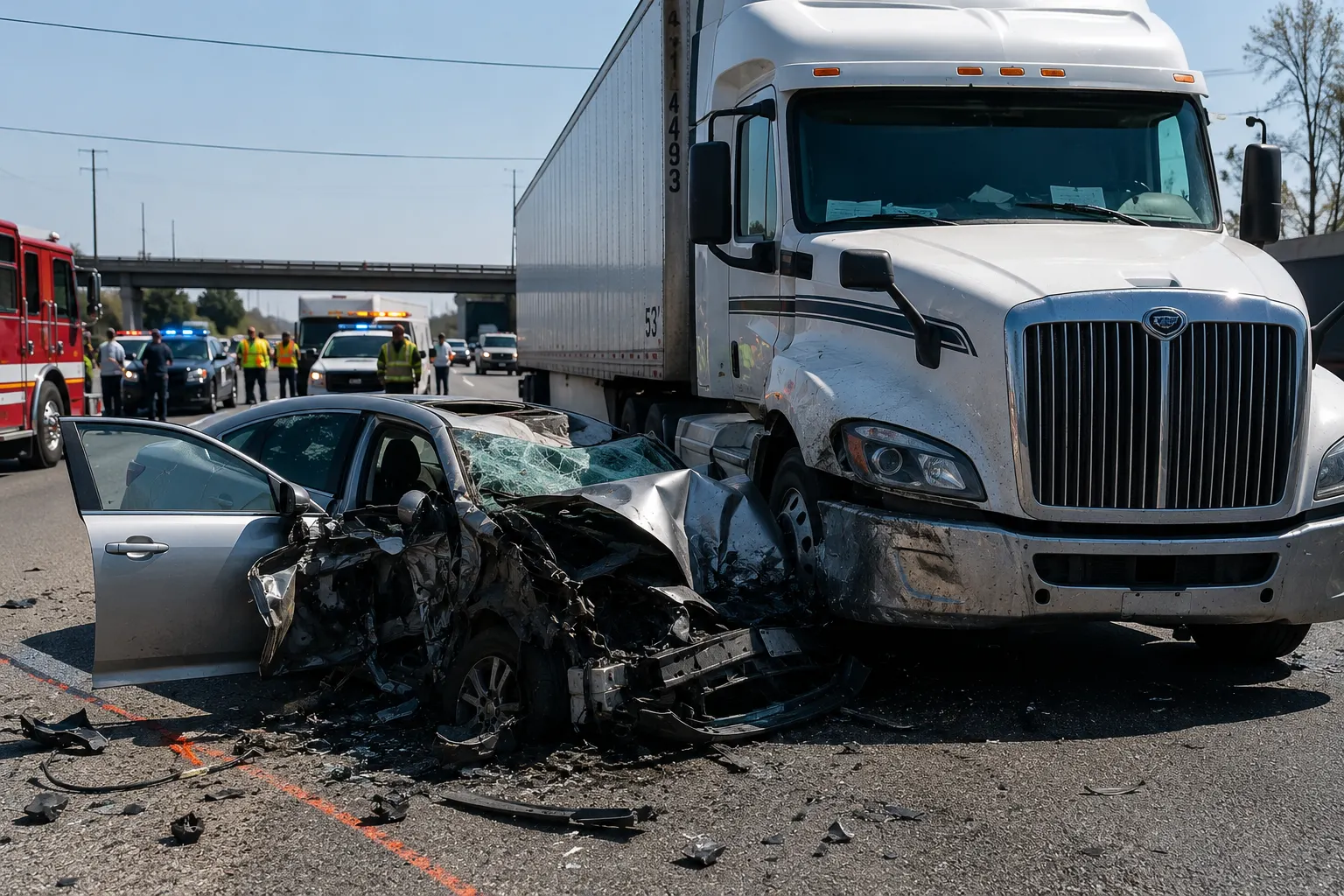
This is one of the most important things to get right, and it trips up a lot of accident victims.
- Standard personal injury claim (private company or individual defendant): two years from the date of the accident.
- Claim against a government entity (METRO, a school district, a city agency): written notice is typically required within six months of the incident, and in some school district cases within 180 days, with specific details about the injury, the damages, and the time and place of the accident. Miss that notice window, and your claim can be dismissed outright, regardless of how strong the underlying case is.
If there’s any chance a government entity was involved, even indirectly, don’t wait to see how your recovery goes before calling an attorney. That decision alone has ended cases that otherwise had solid evidence behind them.
What Compensation Looks Like in a Bus Accident Case
Every case is different, and no attorney worth hiring will promise you a specific number before reviewing your medical records and the facts of the crash. That said, victims in these cases are generally entitled to pursue both economic and non-economic damages.
Economic damages cover the costs you can put a dollar figure on:
- Medical bills, both current and future, for injuries like broken bones, spinal injuries, and traumatic brain injuries
- Lost wages if you’re unable to work during recovery
- Reduced future earning capacity if the injury has lasting effects
- Property damage, if applicable
Non-economic damages cover harder-to-quantify losses:
- Pain and suffering
- Emotional distress
- Loss of enjoyment of life
- Disfigurement or permanent disability
In cases involving a death, surviving family members may also be able to pursue a wrongful death claim for loss of companionship, funeral expenses, and lost financial support.
One thing worth knowing going in: insurance companies representing bus operators, especially large national carriers, tend to move quickly after a crash to limit their exposure. That can mean lowball settlement offers arriving before you’ve even finished treatment, or requests for statements designed to lock you into details before you fully understand your injuries. This is one of the more common mistakes people make in these cases: accepting an early settlement offer or giving a recorded statement without legal advice first. Once you sign a release, that’s usually final, even if your injuries turn out to be worse than expected.
What a Bus Accident Lawyer Actually Does For You
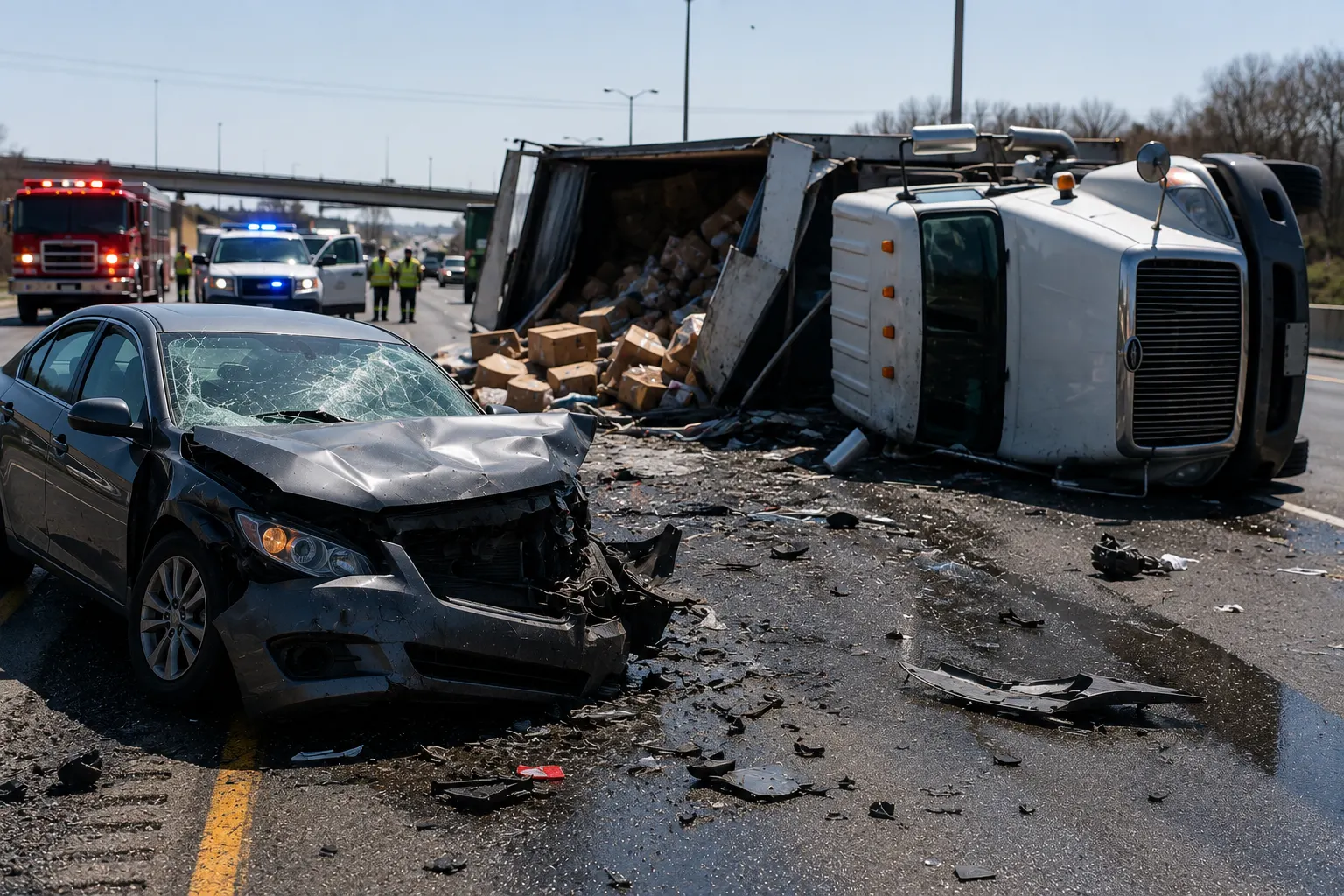
A good bus accident attorney isn’t just there to negotiate a check. The real value shows up earlier in the process.
Investigation. This includes pulling police reports, driver logs, maintenance records, and any available video footage, along with hiring accident reconstruction experts when liability is disputed.
Identifying every liable party. In a case with multiple defendants, missing one party can mean missing out on an entire layer of available insurance coverage.
Handling government notice requirements. If METRO or a school district is involved, your attorney needs to file the correct notice within the correct window, which is a technical process most people wouldn’t know to handle on their own.
Calculating the full value of your claim. This includes future medical costs and long-term impacts that aren’t obvious in the first few weeks after a crash.
Negotiating with insurers, and going to trial if needed. Most personal injury claims settle, but a firm that’s genuinely prepared to take a case to trial tends to get taken more seriously at the negotiating table.
What to Do Immediately After a Houston Bus Accident
- Get medical attention, even if you feel okay. Some injuries, especially head and spinal injuries, don’t show symptoms right away.
- Report the accident and get a copy of the official police report.
- Document everything you can, including photos of the scene, your injuries, and any visible bus damage.
- Get witness information if possible. Bus accident cases often hinge on eyewitness accounts, particularly when liability is disputed between the bus driver and another motorist.
- Avoid giving a recorded statement to any insurance company until you’ve spoken with an attorney.
- Contact a bus accident attorney promptly, especially if a government-operated bus was involved.
Choosing the Right Houston Bus Accident Lawyer
Not every personal injury attorney has real experience with bus cases specifically. Here’s what actually matters when you’re comparing firms:
- Case-specific experience. Ask directly how many bus accident cases, not just general personal injury cases, the attorney has handled, and what the outcomes looked like.
- Experience with government defendants. If METRO or a school district might be involved, ask whether the firm has litigated against a public entity before and understands the notice deadlines.
- Resources to go up against large companies. Bus companies and their insurers often bring significant legal firepower. A firm with its own investigators and access to accident reconstruction experts is better positioned to match that.
- Fee structure. Most reputable personal injury firms work on contingency, meaning you pay nothing upfront and the fee comes out of any settlement or verdict. Confirm this in writing before signing anything.
- Communication. You want a firm that will actually return your calls and explain where your case stands, not one that disappears until there’s a settlement offer on the table.
Houston Firms With Experience in Bus Accident Cases
There are a number of personal injury firms in Houston that handle bus accident claims specifically, rather than treating them as a generic car wreck case. A few worth researching further as you look for representation include:
1. Zehl & Associates Injury & Accident Lawyers Zehl & Associates focuses heavily on commercial transportation litigation, including bus, trucking, and railroad cases, and has taken on major national bus carriers in past litigation. Website: zehllaw.com
2. Terry Bryant Accident & Injury Law This firm has operated in Houston since 1985 and handles a broad range of bus accident cases, including METRO, school bus, charter, and intercity bus claims. Terry Bryant himself holds Board Certification in Personal Injury Trial Law from the Texas Board of Legal Specialization, a credential relatively few personal injury attorneys in the state hold. Website: terrybryant.com
3. Fibich, Leebron, Copeland & Briggs This firm has represented Houston-area bus accident victims for decades and specifically addresses claims involving METRO, school buses, and private charter and shuttle operators, including the government notice requirements that come with those cases. Website: fibichlaw.com
A quick note on how to use this list: don’t treat it as a ranking. The right firm for a school bus injury case involving a public district may not be the right firm for a claim against a charter company, and vice versa. Call more than one, ask specific questions about their experience with your type of case, and pick the attorney you trust to actually fight for you, not just the one with the biggest ad budget.
Frequently Overlooked Details That Can Affect Your Case
A few things people don’t think to ask about, but should:
- Whether the bus was public or privately contracted. This single fact can change your filing deadline from two years to six months.
- Whether there’s dash cam or onboard camera footage. Many transit agencies and bus companies only retain footage for a limited period, sometimes as short as a few weeks, before it’s overwritten.
- Whether the bus had a documented maintenance history of mechanical issues. Prior complaints or repair records can be significant evidence of negligence.
- Whether multiple insurance policies apply. A single crash can trigger coverage from the bus company’s policy, a maintenance contractor’s policy, and even a manufacturer’s product liability coverage, depending on the cause.
Bottom Line
Bus accidents in Houston carry more legal complexity than a typical two-car crash, mainly because of who’s often on the other side: a private company with significant insurance backing, or a government agency with strict notice deadlines. If you or a family member has been injured, get medical care first, then get legal advice quickly, before evidence disappears and before any filing deadlines pass you by. The details of liability, whether it’s the driver, the company, a manufacturer, or a government entity, will shape everything about how your claim proceeds, and that’s exactly the kind of analysis an experienced bus accident attorney is there to handle.
This article is provided for general informational purposes and does not constitute legal advice. Consult a licensed Texas attorney about the specific facts of your case.